

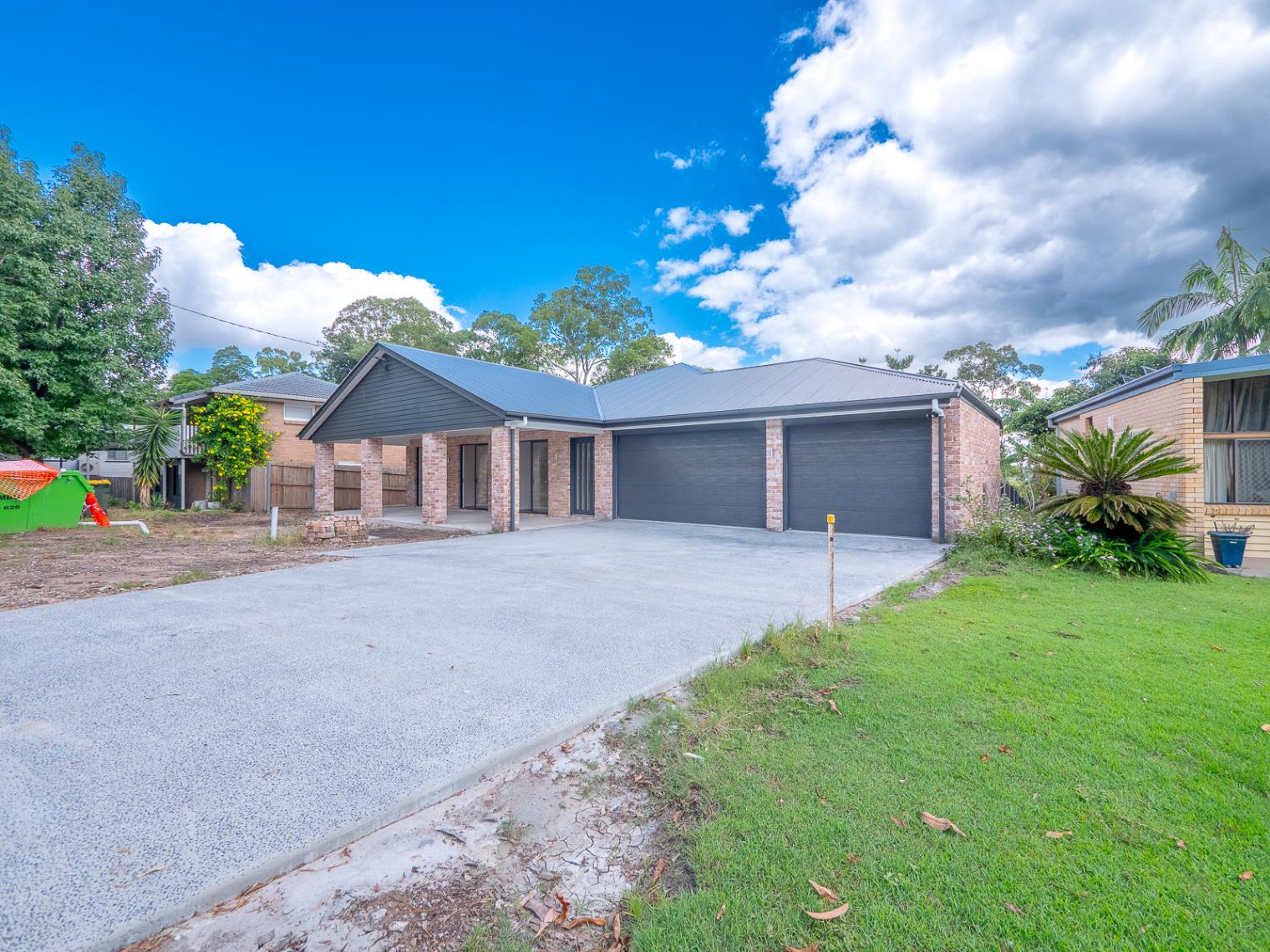
Designing a home in Queensland requires more than choosing an attractive layout or modern finishes. The subtropical climate, seasonal heat, humidity and changing weather patterns all play a major role in how comfortable, efficient and liveable a home will be long term. That’s why smart Queensland home design focuses on climate-responsive principles from the very beginning.
For Southeast Queensland home buyers, a well-designed home should work with the climate, not against it. This guide explores how climate-responsive homes are designed and why thoughtful planning leads to more comfortable and energy efficient homes QLD homeowners can rely on year-round.
Why Climate-Responsive Design Matters in Queensland
Queensland’s climate presents unique challenges that directly affect how a home performs. Without climate-conscious design, homes can become hot, humid and expensive to run.
Poor climate design often results in:
- Over-reliance on air conditioning
- High energy bills
- Reduced indoor comfort
- Faster wear on materials
In contrast, well-planned Queensland home design improves comfort naturally while reducing long-term running costs.
Orientation – The Foundation of Climate-Smart Design
One of the most important elements of climate-responsive homes is correct orientation. How a home sits on the block directly impacts sunlight exposure, heat gain and ventilation.
Good orientation allows:
- Living areas to capture winter sun
- Bedrooms to remain cooler in summer
- Reduced exposure to harsh western sun
Working with specialists in residential home designs ensures orientation is considered early, rather than becoming an afterthought forced by a standard layout.
Natural Ventilation and Airflow
Queensland homes must manage heat and humidity effectively. Natural ventilation plays a key role in reducing indoor temperatures and improving air quality.
Effective ventilation strategies include:
- Cross-ventilation between rooms
- Strategically placed windows and doors
- Open-plan living areas that allow airflow
Homes designed with these principles often require less mechanical cooling, supporting more energy efficient homes QLD homeowners prefer.
Shading and Sun Control
Managing sunlight is essential in Queensland’s warm climate. Too much direct sun can significantly increase internal temperatures.
Climate-responsive shading solutions include:
- Deep eaves and overhangs
- Pergolas and alfresco structures
- External screens and shading devices
A thoughtful Queensland home design balances natural light with protection from excessive heat.
Material Selection for Queensland Conditions
Materials play a major role in thermal performance and durability. Not all materials perform equally in Queensland’s climate.
Well-chosen materials can:
- Reduce heat absorption
- Improve insulation performance
- Withstand humidity and weather exposure
Builders specialising in residential home designs understand which materials work best for long-term comfort and performance in Queensland conditions.
Energy Efficiency Through Smart Design
Designing for energy efficiency starts long before appliances are selected. Passive design strategies significantly reduce energy use.
Key design elements include:
- High-performance insulation
- Energy-efficient glazing
- Strategic room placement
These features support energy efficient homes QLD buyers increasingly prioritise, helping to lower ongoing energy costs while improving comfort.
Indoor-Outdoor Living for Queensland Lifestyles
Queensland living is synonymous with indoor-outdoor spaces. Climate-responsive homes seamlessly blend internal and external areas.
Effective indoor-outdoor design:
- Encourages airflow through the home
- Expands usable living space
- Reduces reliance on artificial cooling
When designed correctly, these spaces enhance both lifestyle and energy efficiency.
Designing for Future Climate Conditions
Climate conditions are changing, making future-proof design more important than ever. Homes designed today should perform well for decades to come.
Future-focused design considers:
- Increased heat resilience
- Flexible shading solutions
- Long-term energy performance
Experienced designers of residential home designs plan homes that remain comfortable and efficient as conditions evolve.
Expert Tips for Climate-Responsive Home Design
When planning your home, keep these principles in mind:
- Prioritise orientation and airflow early
- Invest in quality insulation and glazing
- Choose materials suited to Queensland conditions
- Design for long-term comfort, not short-term trends
These considerations are essential when creating climate-responsive homes that deliver lasting value.
Building a Home That Works With the Climate
A well-designed home should enhance comfort, reduce energy use and support your lifestyle year-round. By focusing on smart Queensland home design, homeowners can enjoy naturally cooler, healthier and more efficient living spaces.
For Southeast Queensland buyers seeking thoughtfully planned, energy efficient homes QLD residents trust, working with specialists in residential home designs ensures climate-responsive principles are built into every stage of the design process.

